
From Vision to Vitals: A CEO’s Blueprint for Launching a High-Impact Healthcare Venture
Starting a healthcare business is unlike any other entrepreneurial venture. You aren’t just managing a balance sheet; you are managing human lives, complex regulatory webs, and the rapid evolution of medical technology. When I founded the Boston Brain Center, my goal was to disrupt the traditional rehabilitation model by proving that high-intensity, tech-driven care could fundamentally change the trajectory of neuro-recovery.
For the CEO standing at the starting line, passion is your fuel, but strategy is your map. Here are the five strategic pillars I’ve identified for building a resilient, scalable, and clinically superior healthcare business.
1. Define Your “Clinical North Star” Early
In the beginning, you will be tempted to be everything to everyone. Resist this. To stand out in a crowded market, you must define your niche with surgical precision.
-
The Consultant’s View: We didn’t just open a “rehab clinic”; we opened a center focused on neuroplasticity.
-
The Takeaway: Your business identity should inform every hire and every equipment purchase. If it doesn’t serve your primary clinical mission, it’s a distraction.
2. Tech-Integration: Investment vs. Overhead
High-tech equipment—like the Lokomat or advanced cognitive software—is a significant capital expenditure. Many CEOs hesitate at the price tag. However, in modern healthcare, technology is your most powerful tool for objective data collection.
-
The Takeaway: Don’t buy tech because it’s “cool.” Buy it because it generates reports that prove your value to insurance payers. In an era of value-based care, the CEO who can show a 20% improvement in objective functional scores is the one who wins the contract.
3. Build a “Silo-Free” Culture
The greatest failure in healthcare management is the “silo effect,” where Physical Therapy, Occupational Therapy, and Neurology operate as separate islands.
-
The Consultant’s View: Your value proposition is interprofessional collaboration. * The Takeaway: Create a culture where a Speech Therapist and a Neuropsychologist discuss a patient over coffee. Integrated care isn’t just better for the patient; it’s more efficient for the business, reducing redundant documentation and accelerating discharge goals.
“A CEO’s job isn’t to be the smartest clinician in the room; it’s to ensure the smartest clinicians in the room are talking to each other.”
4. Bulletproof Your Administrative Infrastructure
As a founder, you will face “administrative friction”—unauthorized billing charges, software migration headaches (like eCW transitions), or primary administrator lockouts.
-
The Takeaway: You must be the primary administrator of your own kingdom. Do not outsource the “keys” to your digital castle (Google Business, EMR access, NPI portals) to a single employee who may leave. Protect your cash flow by having a clear “Weather & Crisis” protocol so that a single snowstorm doesn’t derail your entire month’s reimbursement cycle.
5. Master the Language of the Payer
You are in the business of healing, but you are also in the business of reimbursement. If you cannot translate your clinical success into the language of UnitedHealthcare, Medicare, or Blue Cross, your business will fail.
-
The Takeaway: Train your team to document for Medical Necessity. Don’t just report that a patient “feels better.” Report that their “Executive function deficits have decreased, reducing the risk of a high-cost fall or medication error.” When you save the insurance company money, you secure your own revenue.
Closing Thoughts: Resilience is a Clinical Skill
There will be days when the weather closes your doors, or a vendor turns out to be a scam, or a key staff member moves on. As a CEO, your resilience is as important as your patient’s.
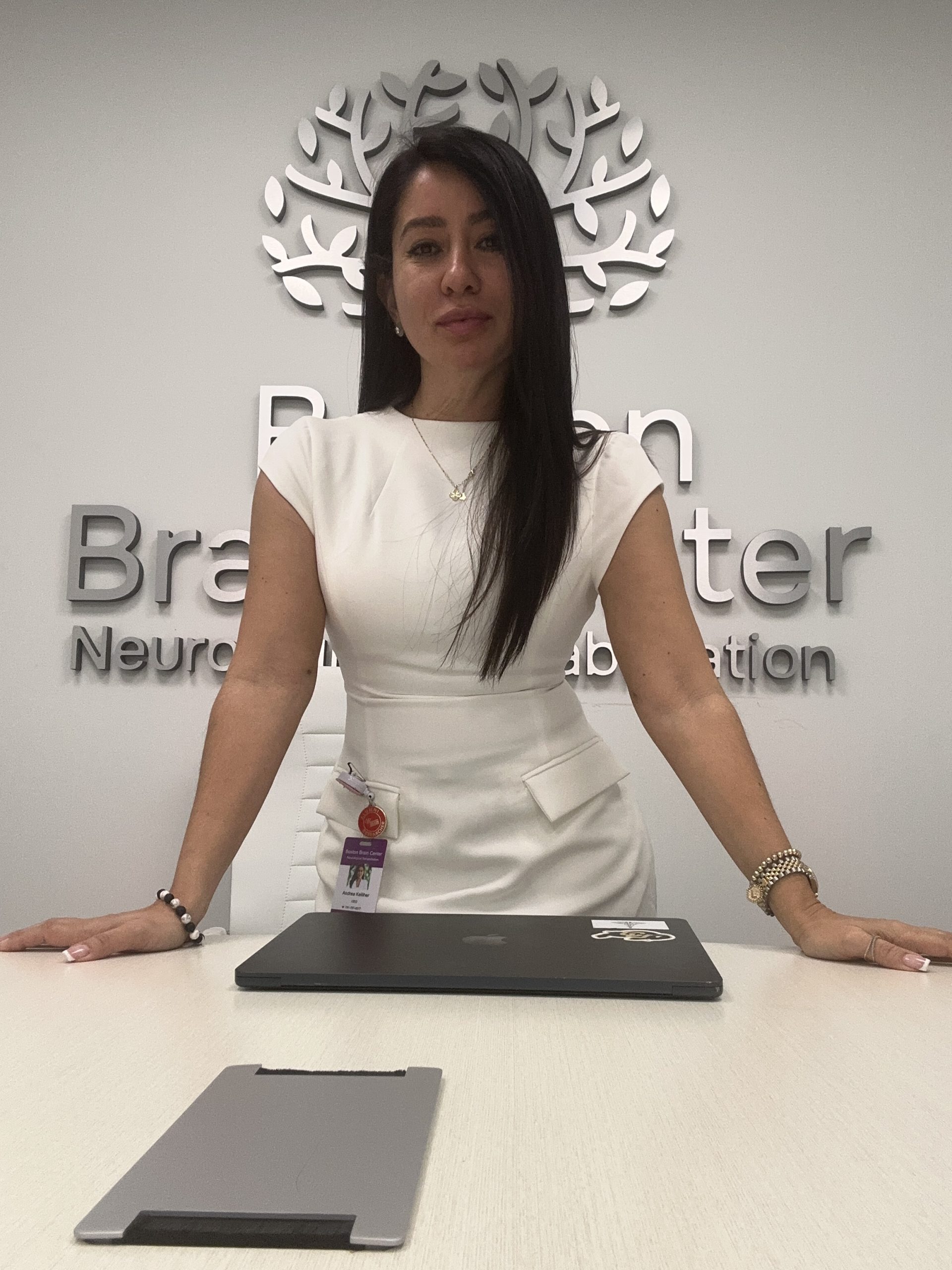
At the Boston Brain Center, we chose a tree as our logo. Why? Because trees are deeply rooted but flexible enough to bend in the wind. Build your business the same way: stay rooted in your clinical mission, but remain flexible enough to adapt to the ever-changing landscape of American healthcare
By: Andrea Kelliher Founder & CEO, Boston Brain Center


No comment