
How Does Shockwave Therapy Work?
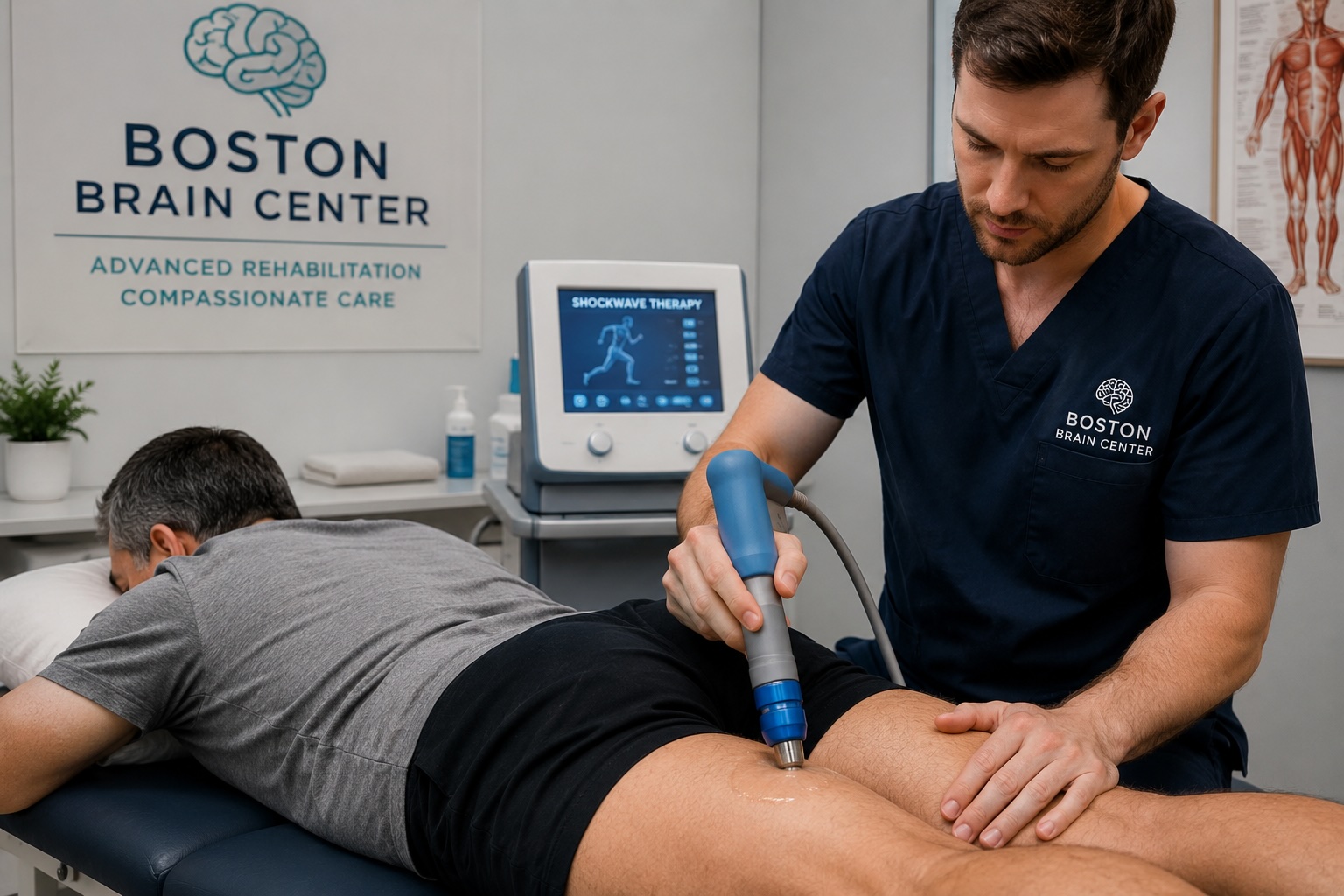
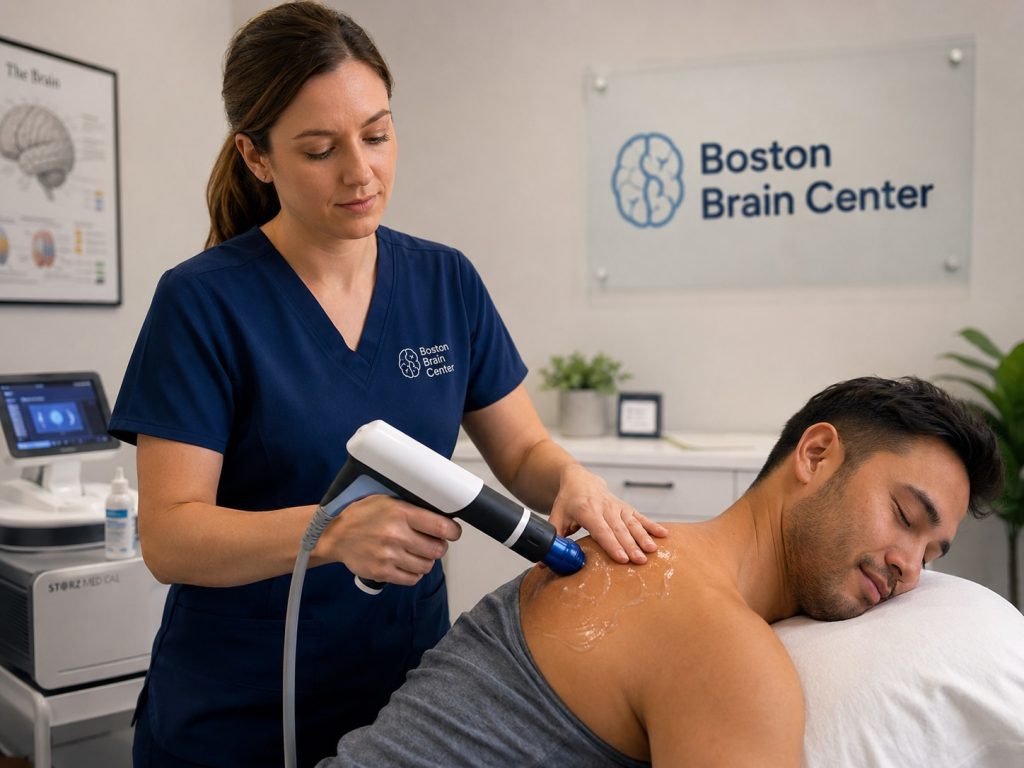
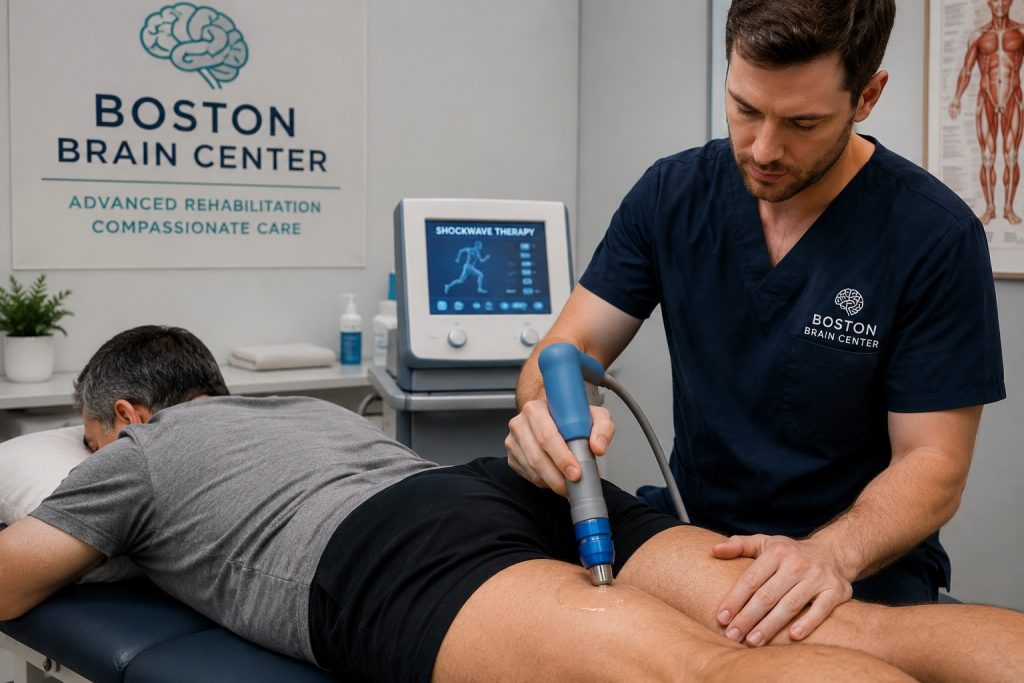
During treatment, a clinician identifies the area requiring attention and applies a conductive gel to the skin. A handheld applicator then delivers controlled acoustic waves to the targeted tissue.
The exact biological mechanisms of shockwave therapy are still being studied. Research suggests that acoustic stimulation may influence pain pathways, cellular signaling, local blood-vessel development, and tissue remodeling. The type, intensity, and location of treatment should be selected according to the patient’s diagnosis, tolerance, and clinical needs.
What Conditions May Benefit?
Shockwave therapy is most often used for musculoskeletal problems involving muscles, tendons, fascia, joints, and certain bone-related conditions. Depending on the patient’s evaluation, it may be considered for concerns such as:
- Plantar fasciitis and chronic heel pain
- Achilles tendon problems
- Patellar or hamstring tendinopathy
- Tennis elbow and other elbow tendon problems
- Shoulder tendinopathy
- Muscle and soft-tissue pain
- Certain joint or bone injuries
- Persistent pain that has not responded adequately to conservative treatment
The clinical evidence is stronger for some conditions than for others. Shockwave therapy is not appropriate for every diagnosis, and no particular result can be guaranteed.
There is also emerging research regarding shockwave treatment for neurological symptoms such as spasticity. However, these applications continue to be studied and require careful evaluation by a qualified clinician.
Potential Benefits of Shockwave Therapy
When used for an appropriate condition, shockwave therapy may offer several potential benefits:
Noninvasive Treatment
Shockwave therapy is delivered through the skin and does not require surgery or an incision. It may provide an additional treatment option for patients who wish to explore a noninvasive approach.
Pain Management
The acoustic waves may influence local pain pathways and help reduce discomfort in the treated area. Improvements may occur gradually rather than immediately.
Support for Tissue Remodeling
Mechanical stimulation from the treatment may encourage biological processes involved in tissue repair and remodeling.
Minimal Interruption to Daily Life
Many patients can return to normal daily activities after treatment, although the clinician may recommend modifying certain exercises or activities depending on the condition being treated.
Complement to Physical Therapy
Shockwave therapy may be combined with therapeutic exercise, stretching, strengthening, mobility training, and other physical therapy techniques. It should be viewed as one component of a broader treatment plan rather than a replacement for rehabilitation.
What Can Patients Expect?
Before beginning treatment, the clinical team evaluates the patient’s symptoms, medical history, medications, functional limitations, and treatment goals. This evaluation helps determine whether shockwave therapy is appropriate and how it may fit into the patient’s overall care plan.
During the session, patients may feel tapping, pulsing, pressure, or mild discomfort in the treatment area. Communication with the clinician is important so that the treatment intensity can remain tolerable and appropriately targeted.
Some patients experience temporary soreness, tenderness, redness, mild swelling, or bruising after treatment. The number and frequency of sessions vary according to the condition, treatment response, and provider’s recommendations.
Is Shockwave Therapy Right for Everyone?
Shockwave therapy is not appropriate for every patient. Certain medical conditions, pregnancy involving the treatment area, bleeding disorders, tumors in the treatment area, and other health concerns may affect whether treatment can be provided safely. Patients should tell their clinician about all medical conditions, medications, implanted devices, recent procedures, and possible pregnancy before beginning therapy.
A professional evaluation is necessary to determine whether the possible benefits outweigh the risks for each individual.



No comment